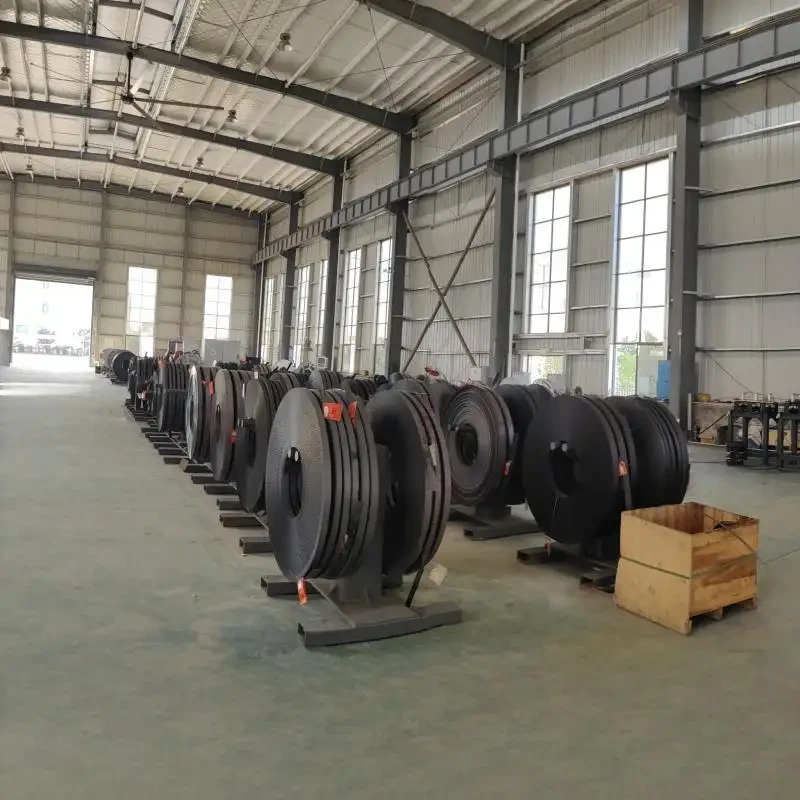
Bandsaw blade coils prepared for shipment in the warehouse

Carbide blades built for cutting metal and alloy

Every blade in this range is a carbide-tipped bandsaw blade made for metal and alloy — carbon and alloy steel, structural sections, pipe and tube, stainless, tool and mould steel, and non-ferrous metals. The guides below cover the situations we handle most often.

Material Scope

What these blades cut

Metal and alloy is the whole brief. Each grade is selected for the hardness, abrasiveness and section shape of the material, so the blade keeps cutting instead of rubbing.

  • Carbon & Alloy Steel

    Solid bar, billets and forging stock cut on high-tension machines in continuous runs.

  • Structural Steel & Rebar

    Beams, angles, channels, flat bar and reinforcing bar cut to fixed length on site or in the shop.

  • Pipe, Tube & Hollow Section

    Seamless and ERW pipe, square tube, thick-wall casing and bundled thin-wall tube.

  • Stainless & Duplex

    304, 316 and duplex grades where work hardening has to be controlled rather than forced.

  • Tool, Mould & Die Steel

    Hardened and pre-hardened blocks that wear a HSS edge down within a few cuts.

  • Aluminium & Non-Ferrous

    Extrusion, billet and castings cut at higher blade speed with a coarse-tooth pitch.

All blades in this range are carbide-tipped bandsaw blades built for metal and alloy cutting. Wood, plastics, composites and other non-metallic stock sit outside the range.

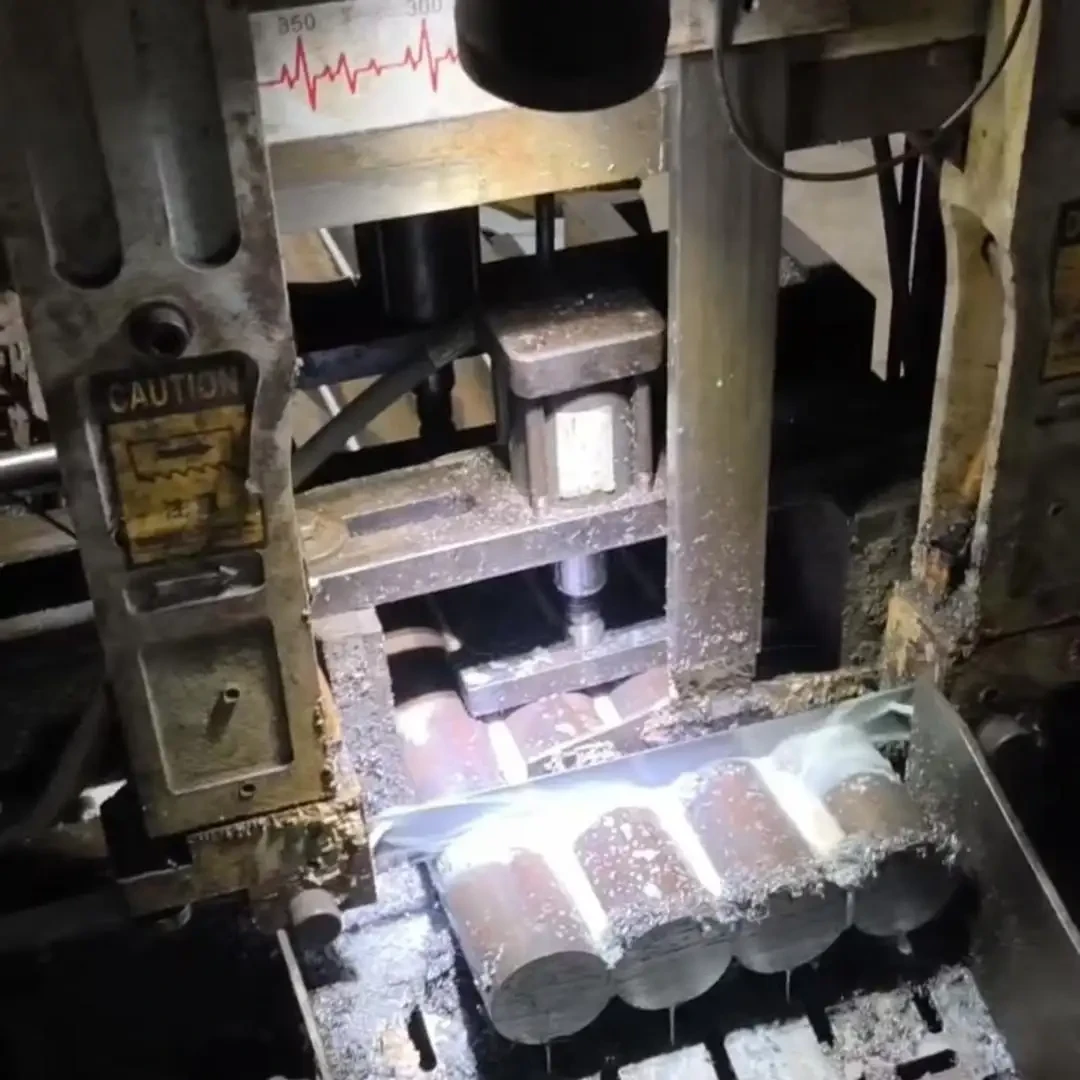
Bandsaw blade cutting a steel billet on a horizontal machine

01

Carbon, Alloy & Structural Steel

Solid bar, billets and structural sections cut in long production runs, where the blade has to hold straightness and repeatable length through thousands of cuts.

Typical workpieces

  • Carbon and alloy steel bar
  • I-beams, angles and channels
  • Flat bar and reinforcing bar
  • Billets and forging blanks
RecommendedCarbide-Tipped Bandsaw Blade

Solid steel cuts cleanest with a coarser variable pitch and a steady feed, with flood coolant clearing chips from the deep kerf.
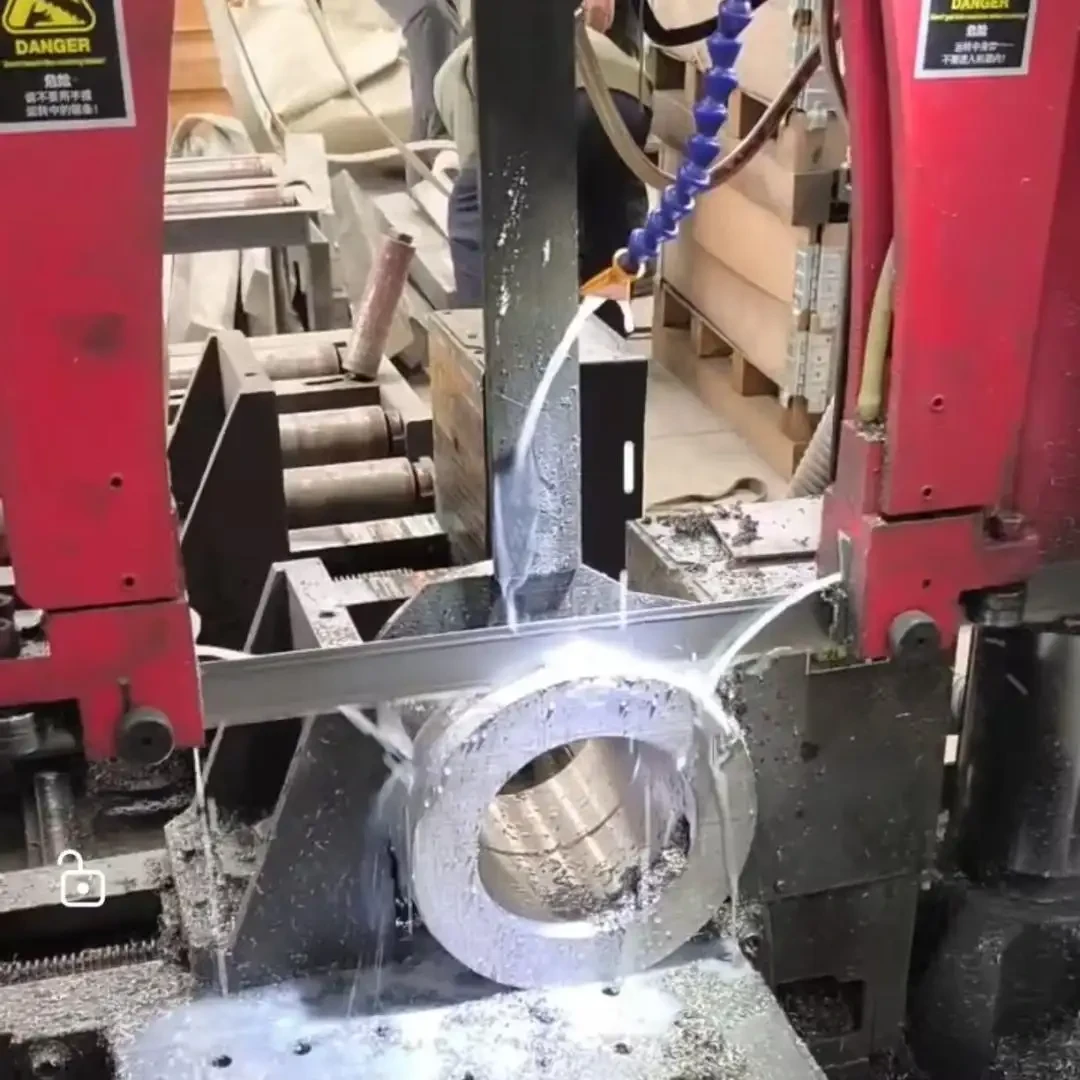
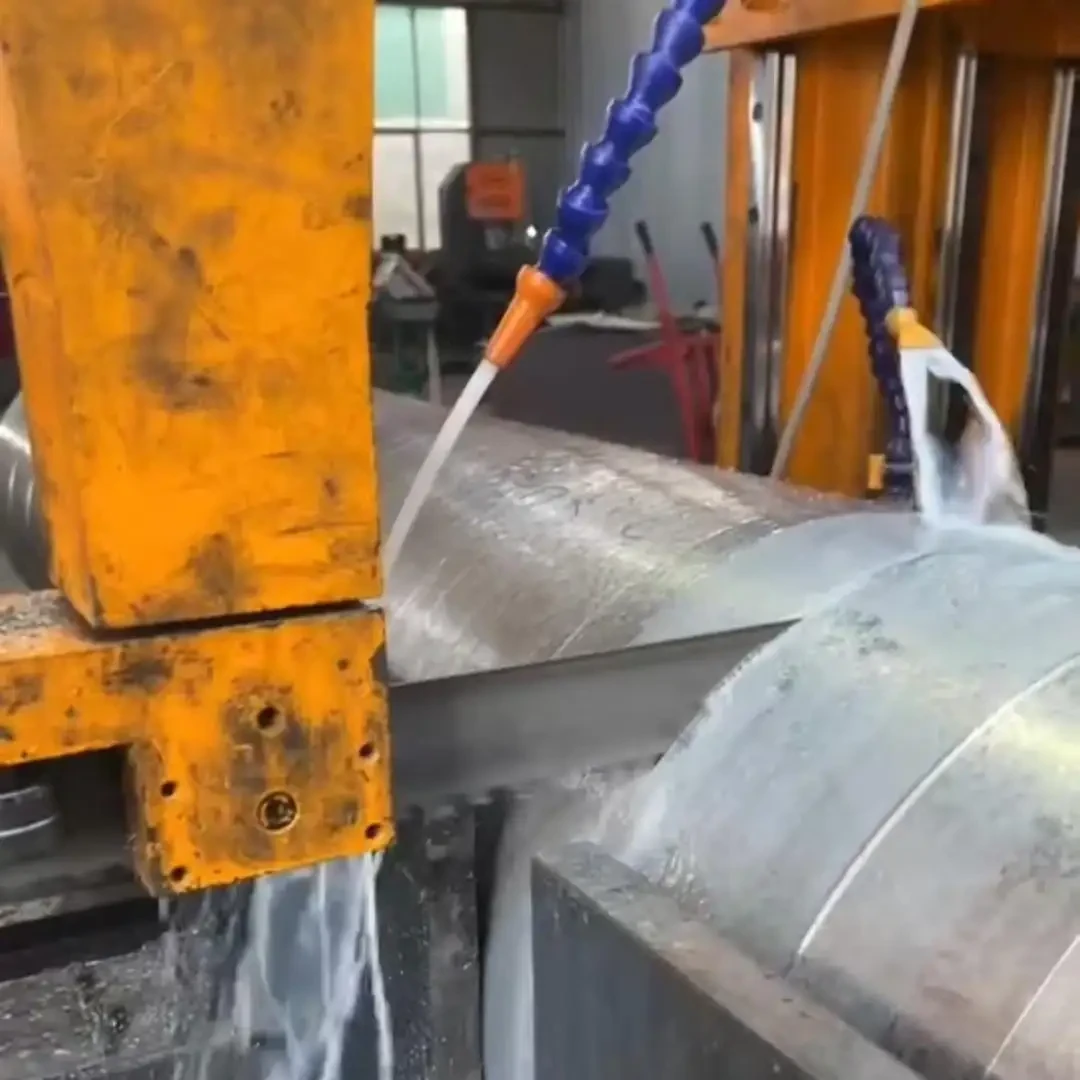
Bandsaw blade cutting a thick-walled steel ring with flood coolant

02

Pipe, Tube & Hollow Sections

Wall thickness changes quickly on pipe and tube, so the blade crosses thin walls, thick casing and square hollow section in the same working day.

Typical workpieces

  • Seamless and ERW pipe
  • Square and rectangular tube
  • Thick-wall casing and rings
  • Bundled small-diameter tube
RecommendedCarbide-Tipped Bandsaw Blade

Bundles take a finer variable pitch so three teeth stay in the thin wall, while a single heavy-wall pipe runs a coarser pitch at reduced feed.

Bandsaw cutting a forged alloy steel section on a production machine

03

Tool, Mould & Die Steel

Hardened and alloy-rich stock that blunts a HSS edge in a handful of cuts, where tip strength, machine rigidity and coolant flow decide the outcome.

Typical workpieces

  • Mould and die blocks
  • Pre-hardened plate
  • Hardened bar
  • Forged ring and block sections
RecommendedCarbide-Tipped Bandsaw Blade

Run high blade tension with constant flood coolant, and ease the feed rate as hardness rises to protect the tips.

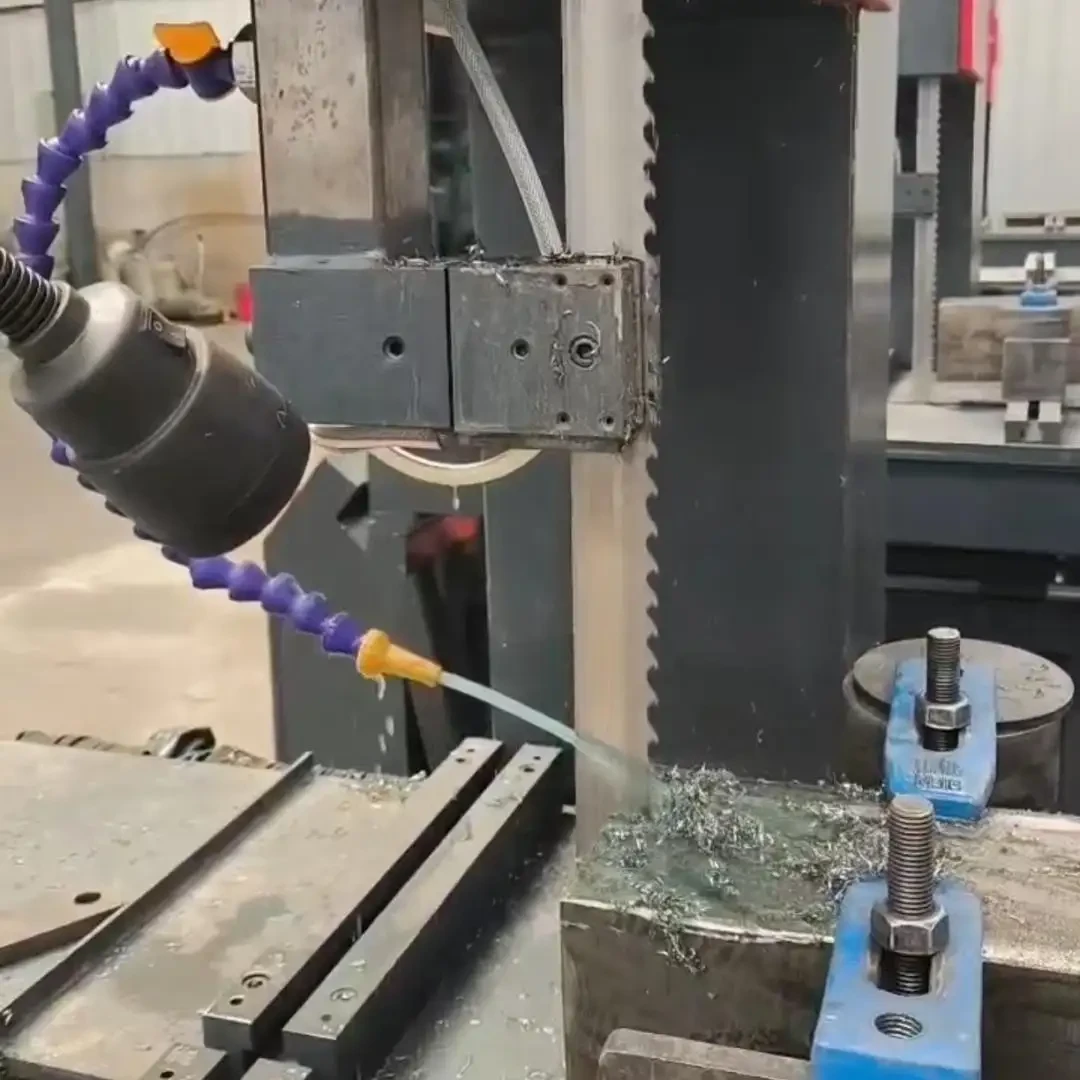
Macro view of a carbide bandsaw blade tooth edge

04

Stainless & Duplex Steel

Work hardening and heat build-up, rather than hardness, are the risks on stainless, so the edge has to keep cutting metal instead of rubbing it.

Typical workpieces

  • 304 / 316 round bar
  • Stainless plate and tube
  • Duplex and super duplex
  • Heat-resistant alloy bar
RecommendedCarbide-Tipped Bandsaw Blade

Generous flood coolant and a positive feed rate limit work hardening; rubbing, not cutting, is what shortens edge life on stainless.

Selection Guide

Common blade questions

Short answers to the questions that come up before every blade order. If your material is not covered here, send us the grade and section size and we will advise directly.

Tell us what you are cutting

Metal grade, section size and your machine are enough for us to recommend the blade and tooth pitch you need.

Ask for advice